

Bathroom Wall Finishes: Tiles, Panels or Something Else?
Bathroom wall finishes have a big effect on how a renovation looks, cleans and lasts. Tiles, wall panels and other surfaces can all work well, but the best choice depends on the room, the budget and how much maintenance you want.
It is easy to choose by appearance alone. A better approach is to think about where water lands, how often the bathroom is used, how the walls are prepared and how easy the surface will be to clean.
AV Modern Bathrooms helps homeowners across St Helens and the North West choose bathroom finishes as part of a complete renovation. This guide explains the main points to consider.
Start With the Wet Areas
The shower, bath edge and basin splashback need the most attention because they see regular water. A finish that works on a dry feature wall may not be suitable inside a shower.
Before choosing a style, decide where the high-moisture zones are. Those areas need suitable preparation, waterproofing and installation, not just attractive materials.
Compare Cleaning and Maintenance
Wall finishes should be judged by how they look and how they behave after months of daily use. Grout, sealant, panel joints, textured surfaces and corners all affect cleaning.
Ventilation also matters. GOV.UK’s Approved Document F covers ventilation, and a bathroom renovation should consider how moisture will leave the room, whichever wall finish is chosen.
Tiles offer flexibility
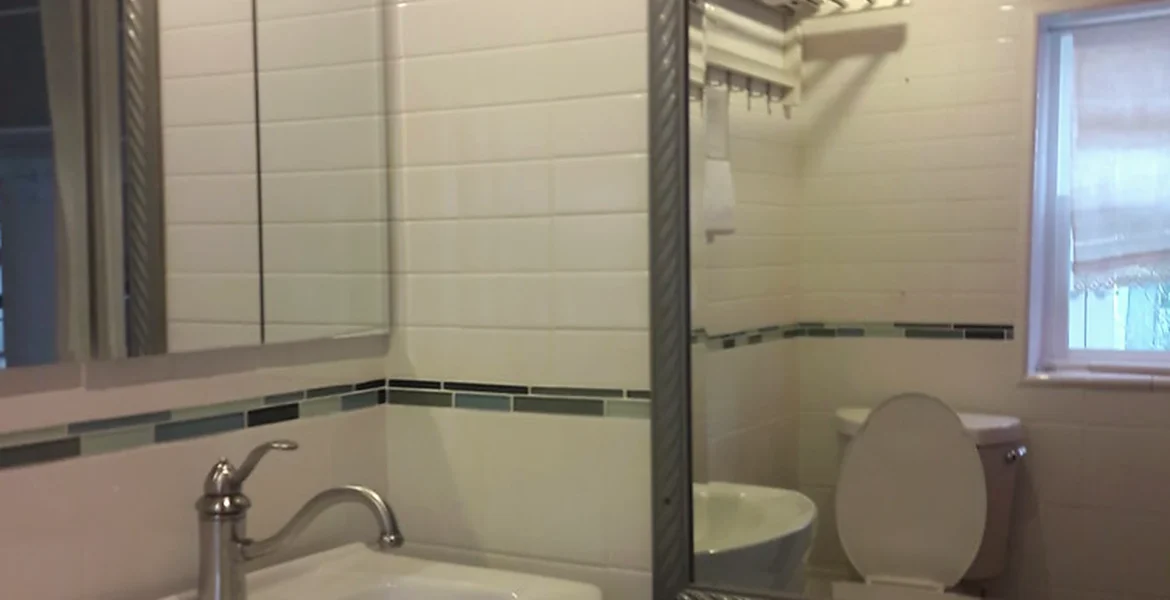
Tiles are popular because they come in many sizes, colours and textures. They can create a traditional, modern or luxury look, and they work well when fitted properly.
The main maintenance point is grout. More grout lines usually mean more cleaning. Larger tiles can reduce grout, but they need careful installation and suitable wall preparation.
Wall panels can reduce grout
Wall panels can be a practical option for showers and busy bathrooms because they reduce grout lines and can be easier to wipe down. They can also create a clean, modern look.
Panels still need correct fitting, sealed joints and suitable backing. They should not be treated as a shortcut over poor surfaces or damp problems.
Think about texture
Textured finishes can add depth, but they may be harder to clean in splash zones. Smooth surfaces are usually easier around showers, baths and basins.
If you love a textured tile or panel, consider using it in a lower-water area and keeping the wettest walls simpler.
Choose colours for the room size
Light finishes can help smaller bathrooms feel calmer, while darker finishes can create drama. Neither is automatically better. The right choice depends on light, layout and the other materials in the room.
If the bathroom has limited natural light, use darker finishes carefully. Good lighting can make a darker scheme work, but poor lighting can make the room feel smaller.
Match the floor carefully
Walls and floors should work together. A busy wall and busy floor can make a compact bathroom feel cluttered. A calm wall with a stronger floor, or the other way round, often works better.
Take samples into the room if possible. Materials can look different under bathroom lighting than they do online.
Check the wall condition
The wall finish is only as good as the surface behind it. Uneven, damp or damaged walls may need preparation before tiles or panels are fitted.
This is especially important in older bathrooms where previous repairs or water damage may be hidden behind existing finishes.
Consider the installation time
Different finishes can affect the renovation process. Tiling, grouting and drying times may differ from panel installation. The right choice should balance appearance, durability and project practicalities.
A clear quote should explain what is included in preparation and fitting, not just the surface material.
Do not forget edges and joints
The neatness of edges, corners, trims and sealant affects the final look. Poor finishing can make even expensive materials look disappointing.
Ask how transitions will be handled around windows, niches, shower screens, baths and vanities. These details are visible every day.
Choose for the long term
Trends change, but cleaning and moisture do not. Choose finishes that you can live with, maintain and enjoy for years, not just finishes that look striking in a single photograph.
If in doubt, keep the main surfaces calm and add personality through mirrors, brassware, towels and accessories.
Use samples in the actual room
Samples are much more useful when viewed in the bathroom itself. Natural light, ceiling height and mirror position can change how a tile or panel looks.
Hold samples near the floor, shower and basin, not just under a bright showroom light. This helps you spot whether the finish feels too dark, too busy or too flat for the space.
Think about repairs and replacement
Even durable finishes can need attention eventually. It is worth asking how a damaged tile, panel or trim would be repaired or replaced if needed.
Choosing a finish with practical maintenance in mind can make the bathroom easier to live with over the long term. This matters most in rental properties, family bathrooms and heavily used showers.
Coordinate with fittings and storage
Wall finishes should work with the vanity, mirror, shower screen and brassware. A finish may look good alone but clash once every other element is installed.
Pull the choices together before ordering. A simple coordinated scheme often feels more expensive and calmer than a room full of separate feature pieces.
Choose grout colour carefully
Grout colour changes the look and maintenance of tiled walls. A matching grout can make tiles feel calmer, while contrasting grout highlights the pattern and every line.
In busy showers, think about cleaning as well as style. The more attention the grout draws, the more visible wear and staining may become.
Use feature areas with restraint
A feature wall can work well, but it does not need to cover every surface. One strong area behind a vanity or inside a shower can be enough.
Keeping other walls simple can make the feature feel more deliberate. It can also help control cost and make the bathroom easier to maintain.
Ask about trims and transitions
Panels, tiles and painted areas need neat transitions. Corners, window reveals, shower edges and ceiling lines should be planned before installation.
These small finishing details are often what make a renovation look professional. Do not leave them as vague decisions for the final day.
Ask whether trims will match the wall finish, brassware or shower screen. A small mismatch can stand out once the room is complete, while a carefully chosen trim helps the finish feel deliberate.
It is also worth checking how the finish will meet the ceiling and floor. Those edges are seen every day, especially in compact bathrooms where everything is close together.
Neat transitions also make cleaning easier because there are fewer awkward gaps for dust, moisture or residue to collect.
Before making a final choice, look at the whole room rather than one sample on its own. The wall finish should work with the floor, vanity unit, shower screen, lighting and brassware, so the finished bathroom feels balanced instead of busy.
Speak to AV Modern Bathrooms
If you are choosing between tiles, panels or other bathroom wall finishes, AV Modern Bathrooms can explain the practical differences and help you choose what suits your room.
Explore tiled bathrooms, learn about PVC bathrooms, or contact AV Modern Bathrooms to discuss your renovation.